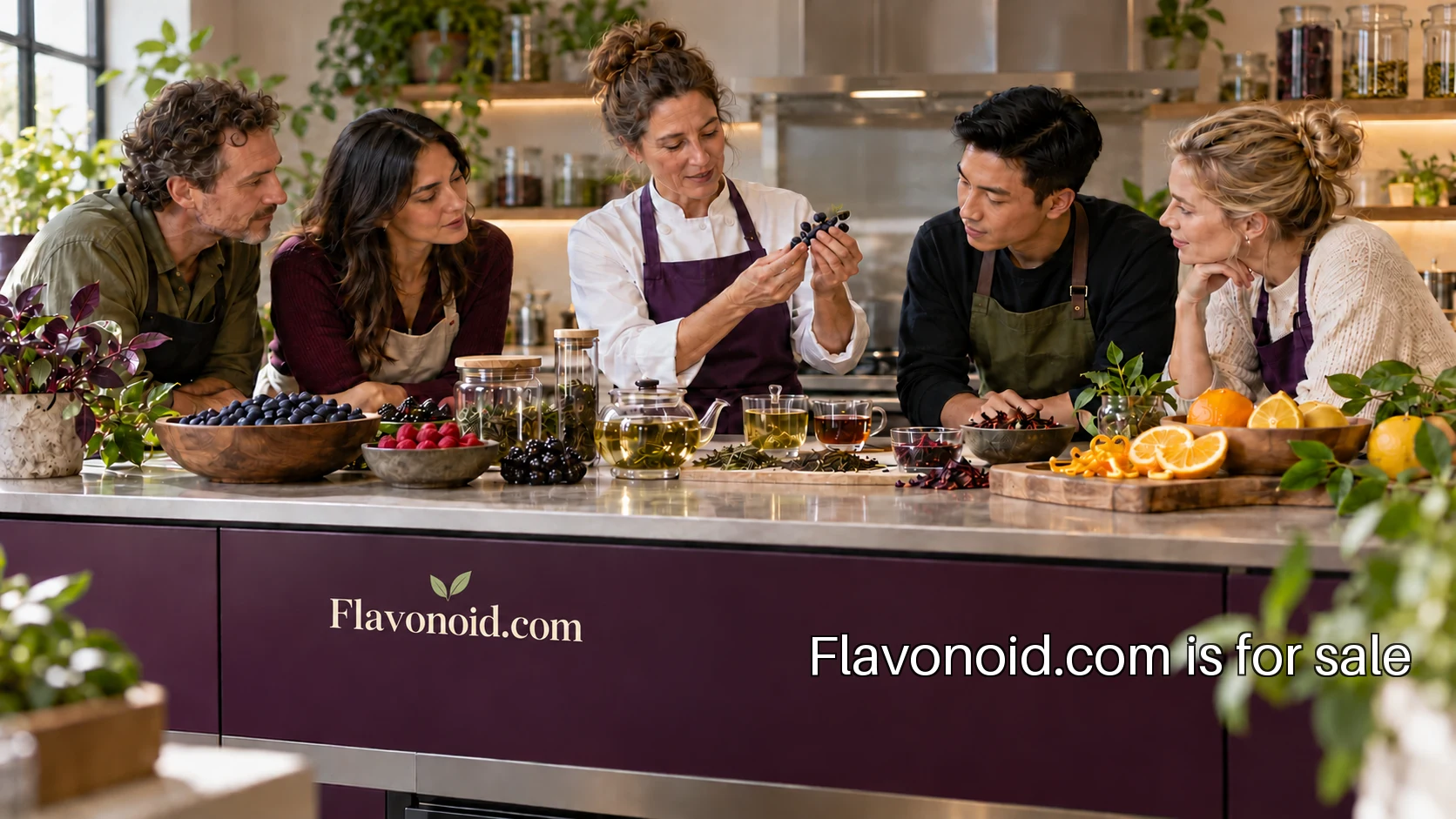
A good food lesson starts with something the learner can see. A bowl of berries, a cup of tea or the ingredient list on a package offers an immediate question. What is being described? How was that information measured? Which words belong to the food itself, and which belong to the process used to study it? Flavonoid could become a home for lessons that make those questions approachable.
I would build the first learning product around reading food information rather than telling people what to eat. The learner would leave with a practical skill: following a source, recognizing a unit or asking a more precise question about a plant ingredient. The founder would have a clear educational purpose to place under the name from the first release.
Begin with one familiar object
A lesson about tea could start with the dry leaf, the prepared drink and a photograph of the preparation. Learners would list what changed between those stages. The point would be to notice that a food description contains choices about form and preparation. That observation becomes useful later when they open a composition table or read a research abstract.
A short glossary could introduce the category through the NCI definition of flavonoid. The lesson would use the definition as a starting point, then return to ordinary food questions. A learner would connect the new word to an actual object and a source they can revisit, instead of memorizing an isolated term for a quiz.
Teach the reading task explicitly
One module could ask learners to locate the title, date and source of a food-composition record. Another could focus on the unit in a table. A third could compare two descriptions of a food and ask which details are missing. Each task would be small enough to complete in a few minutes and meaningful enough to use again.
The USDA flavonoid composition resources offers official resources around flavonoid composition. A course could use a carefully chosen example to show where the documentation sits and how to keep a record of the source. The learner would copy a description and unit into a worksheet, then explain what information is still needed before comparing it with another row.
Make activities observable
An activity should produce something a teacher can respond to. Instead of asking whether a learner understands scientific evidence, the lesson could ask for a source card containing the research question, material and method. The teacher could then see whether the learner confused the study subject with the broader topic of the article.
For group classes, pairs could exchange their source cards and try to locate the original material. If a partner cannot find it, the card needs a better title or link. This simple exercise turns citation into a useful habit. The learner sees why a complete reference matters when another person needs to follow the same path.
Build different routes through the same library
A beginner might follow a sequence from food descriptions to tables to research abstracts. A product-development team might begin with terminology used in supplier documents. A teacher might choose one classroom activity and the accompanying explanation. The same underlying library could serve these routes through clear labels and short introductions.
The product would need a consistent distinction between a lesson, a reference page and a worked example. A lesson leads the learner through a task. A reference page answers a specific question. A worked example shows a completed version with an explanation of the choices made. Naming those formats helps learners choose what they need that day.
Give instructors a practical kit
An instructor edition could include learning objectives, approximate session length, materials and discussion prompts. Each source would have an access date and a note explaining why it was selected. The instructor could adapt the session to their audience while keeping the central reading task intact.
A useful pilot might involve one short workshop with a small group. The founder would watch where learners pause, which words they ask about and whether they can complete the final source card independently. Those observations would guide the next revision more directly than adding another long chapter to the library.
Grow by completing useful sequences
Recruitment for the first workshop could start with food-science instructors and learning leads at ingredient or food-development teams. A founder could send a short lesson outline through their published professional contact channels, including the reading task, session length and a completed source-card example. The invitation would ask for a small pilot group and a follow-up conversation with the instructor or team lead. After the session, that contact could review a paid classroom or team edition against the actual teaching task. The instructor or team lead would have a concrete lesson to assess before discussing a larger purchase.
The first paid offer could be a compact course, a classroom licence or a team workshop. A founder could choose one audience and finish a complete sequence before adding more topics. The work would include accessible text, clear images, readable tables and an answer explanation that helps a learner recover from a mistake.
Over time, the library could follow ingredients from the plant to the laboratory and the published record. Each new lesson would connect an everyday object with a reading skill. Flavonoid would give the founder one identity across a first workshop, a practical reference library and the next course built from questions learners actually ask.