
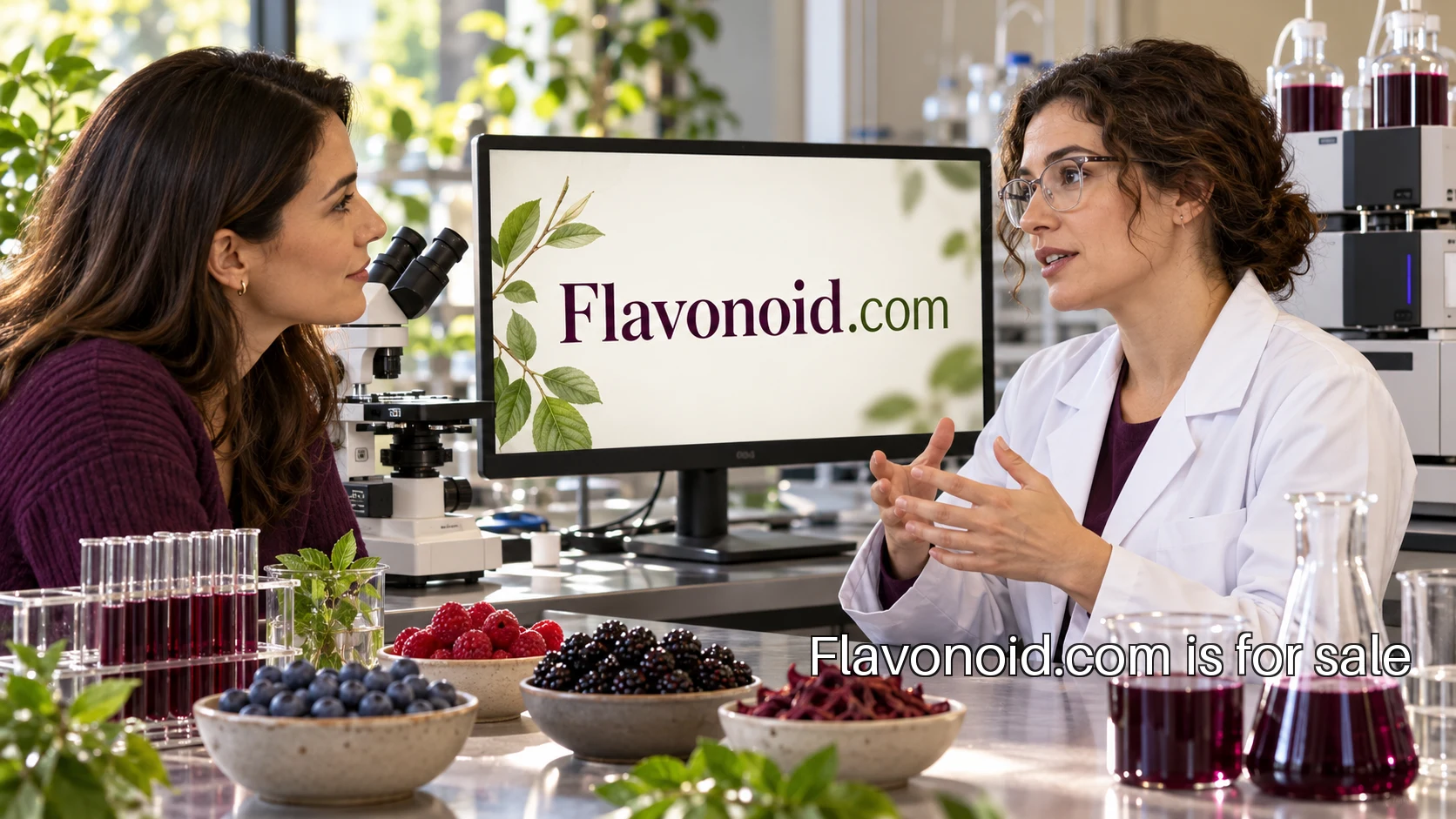
A food-science publication can earn a regular place in a reader's week by helping them understand one piece of work properly. That might be a new analytical method, a careful explanation of an ingredient process or a conversation with a researcher about the questions left open by a paper. Flavonoid could give that publication a focused subject without tying it to one format.
I would start with a short recurring briefing and a deeper monthly feature. The briefing would help readers decide what to open. The feature would take them into the methods, the materials and the choices behind a result. Together, they would give the editor a manageable rhythm and the reader a clear reason to return.
Choose the reader's job
The first audience could be product developers and technically curious readers working around plant ingredients. Their shared task is to understand a piece of research well enough to ask a better question about it. The publication would serve that task with source links, readable explanations and interviews that stay close to the work.
A useful feature could follow a sample from its origin through preparation and analysis. The editor would ask what material was tested, how it was described and which comparisons the authors chose. Photographs of the actual process, a simple diagram and a short glossary could make that journey easier to follow. The article would have a subject beyond the headline result.
Build a repeatable article structure
Each research explanation could begin with the question the paper tried to answer. Next would come a description of the material, the method and the reported observations. A final section would identify the next questions an interested reader could take back to the original publication. This structure gives the editor room to explain without turning every story into the same summary.
The PubMed User Guide provides a practical reference for searching and managing citations. An editorial team could keep a source list for each story, with the exact search terms, access date and version consulted. That record would help a second editor retrace the reporting and would leave the published article with useful links for readers.
Give methods a place in the story
The most interesting detail is often the one a quick summary skips. A change in sample preparation, a different unit or a narrower selection of foods can change the question a paper is answering. An editor can make those choices visible through a small table or an annotated example. The reader gets a way to inspect the work rather than simply repeat its conclusion.
For articles about composition data, the USDA flavonoid composition resources could serve as an entry point to an official resource. A feature might show how an editor selects the appropriate food description, checks the accompanying documentation and records the version used. The useful lesson is the reading process, with the source available beside it.
Interview people about decisions
A recurring interview could focus on one decision in a research or development project. Why was that extraction process chosen? What made one sample unsuitable? Which piece of equipment changed the available questions? These prompts are more concrete than asking someone to predict the future of an entire industry.
An interview would separate the contributor's account from the publication's explanation. Edited quotes would be checked with the speaker for accuracy, and technical claims would have a source or a clearly attributed basis. Readers could meet the person doing the work while still following the evidence that supports the story.
Keep the archive usable
An archive should answer more than a publication date. The editor could tag stories by material, method and reader task. Someone interested in tea processing might find a method explainer, a producer interview and a glossary entry in the same collection. Another reader could follow analytical techniques across different foods.
Corrections and updates would have a visible place. If a source changes or the team discovers an error, the article could carry a short dated note explaining what was changed. A version record would help subscribers who saved an earlier briefing understand the update. This is ordinary editorial care made easy to find.
A small publication with a clear promise
A sample issue could introduce the publication through the places specialist readers already use: a food-science association newsletter, a university department bulletin or a relevant professional discussion group. The editor could approach the person responsible for each channel with one freely accessible methods feature and a short description of the intended reader. A contributor interview could also include a ready-to-share link for the interviewee, with a voluntary email subscription beside the article. Each route would lead to the same sample issue, giving the founder a clear way to learn which subjects bring interested readers back.
The first season could contain a handful of features, enough to test the formats with real readers before increasing the schedule. The editor could ask whether subscribers used a source link, shared a method explanation with a colleague or returned to a glossary entry during work. Those conversations would reveal which parts of the publication deserve more attention.
Membership, sponsorship and commissioned research explainers are possible commercial directions. The publication would label those relationships clearly and keep editorial decisions legible. A founder could introduce Flavonoid as a specific place for thoughtful work about plant ingredients, then build an archive that makes that introduction more substantial with every issue.